
We design and realise LED facade lighting that makes your building visible, increases safety and is energy efficient. From subtle wall washing to accents on the entrance and logo, without light pollution.
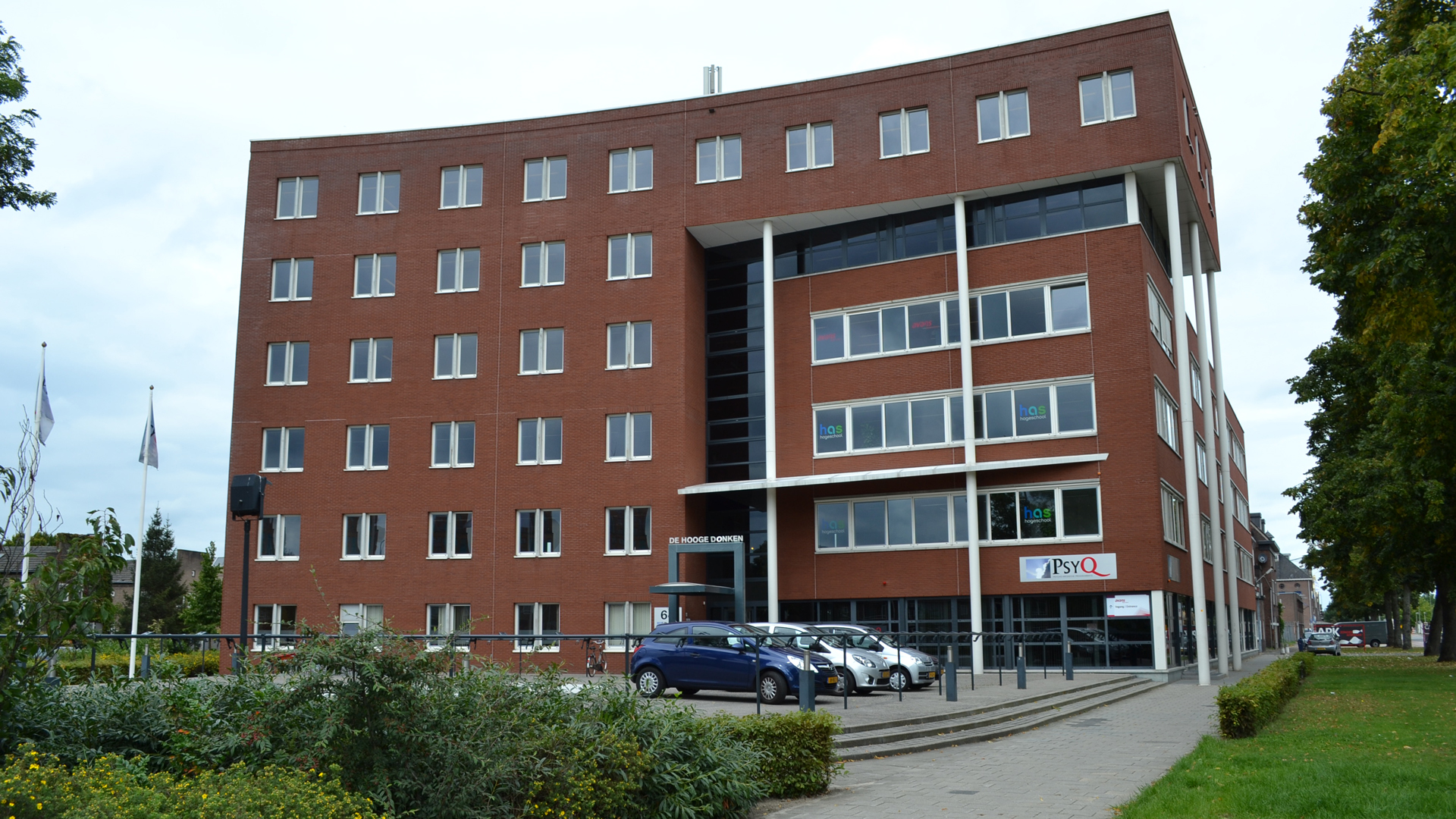
Your building and brand are recognisable even in the dark.
An illuminated facade and entrance feel safer and deter intruders.
LED with a time schedule or daylight sensor only burns when it makes sense.
Good facade lighting emphasises the architecture and leaves the surroundings in peace. We aim the light at the facade, limit upward light and match the intensity to the surroundings.
With a time schedule, the lighting dims or switches off after a set time.
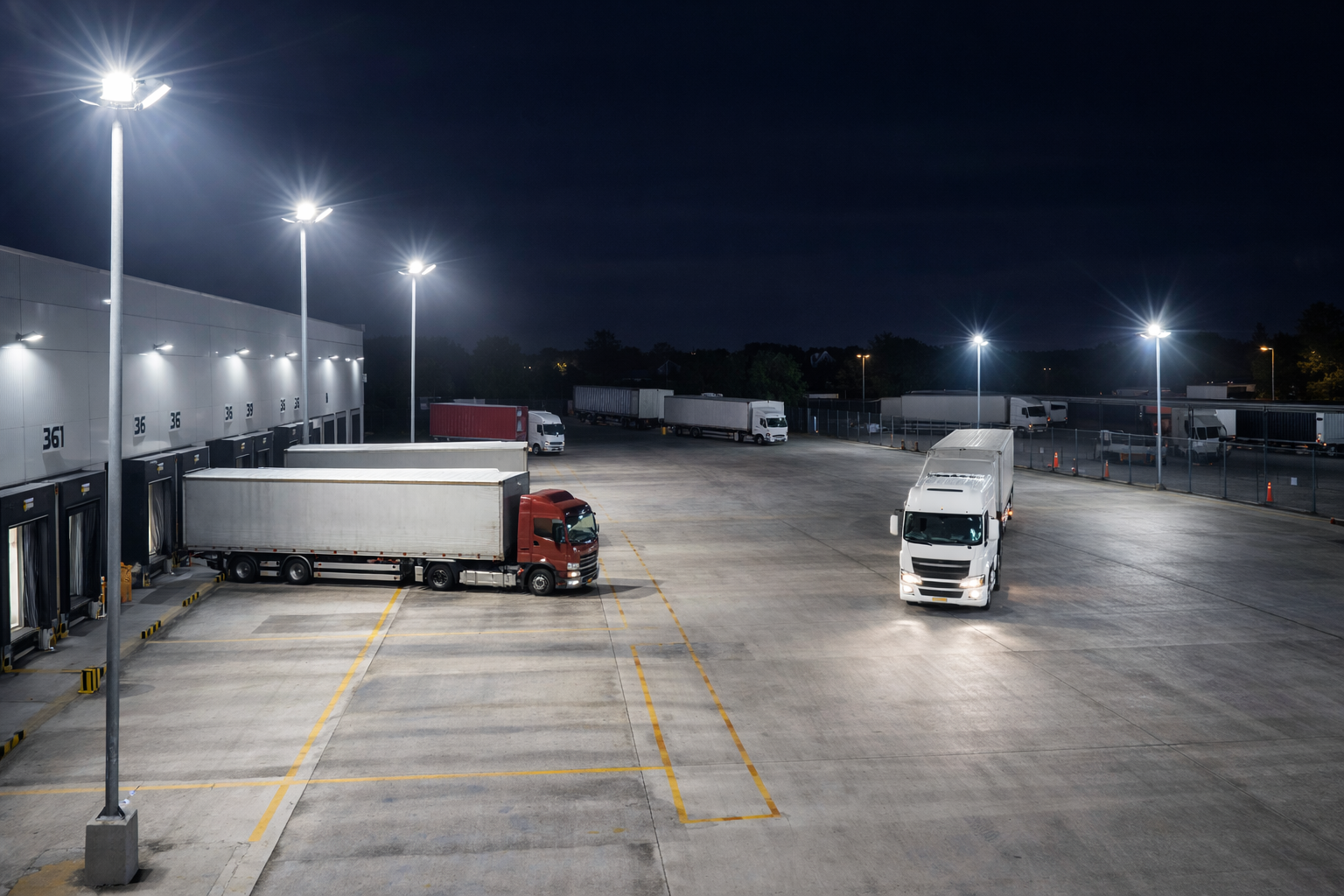
Even wall washing on large facade surfaces.
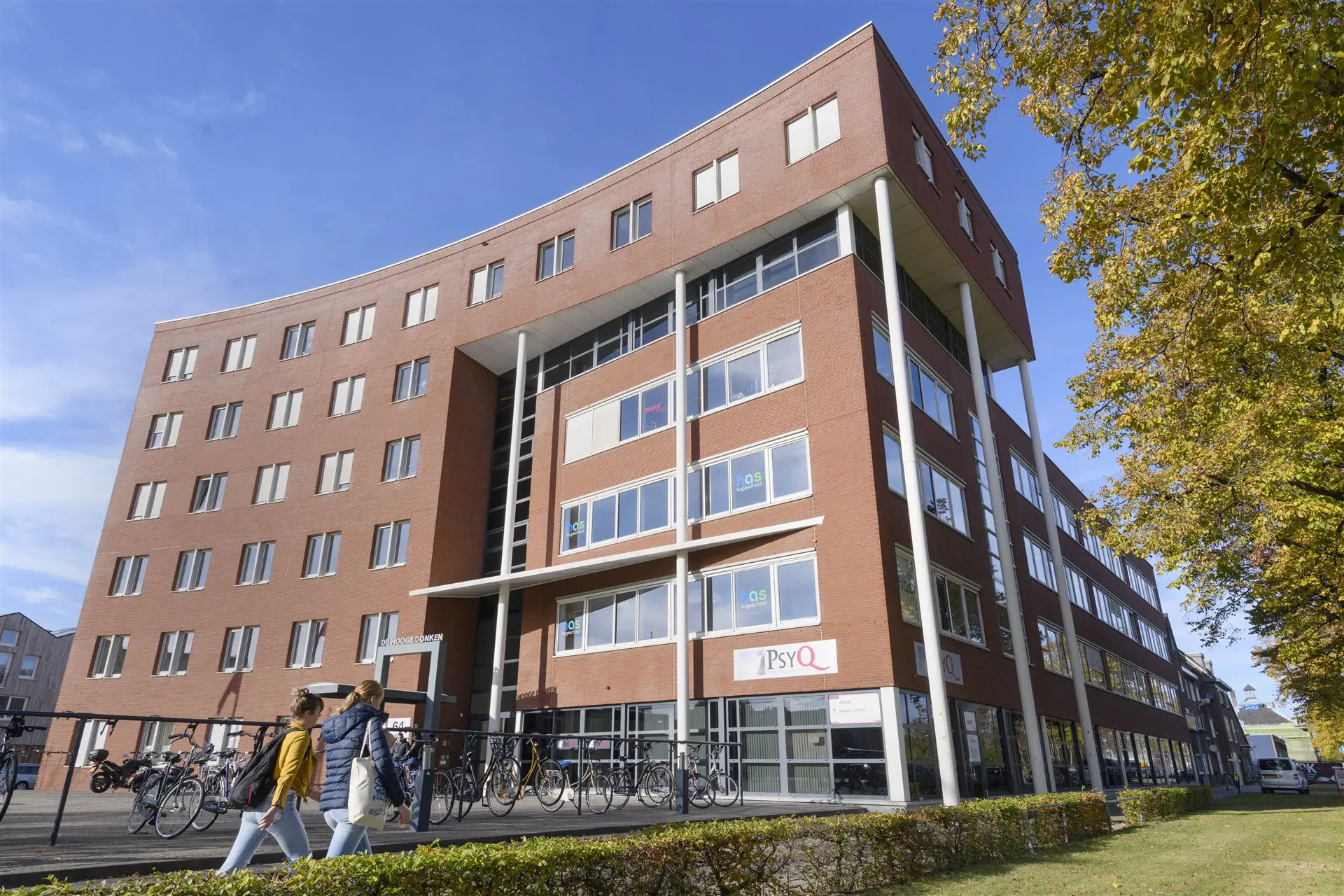
Accents on the entrance and architectural details.

Brand accents in RGBW with a time schedule.
An even beam of light across the whole facade. Calm and representative, ideal for sleek office and commercial facades with a smooth surface.
Luminaires close to the facade with a narrow beam. The grazing light brings brick, natural stone and timber cladding to life.
Wall luminaires that cast light upwards and downwards. They give the facade rhythm and mark entrances and columns.
Targeted spots on your name, logo or main entrance. Visitors and drivers find you straight away, even after sunset.
Linear LED along roof edges, canopies or window frames. Gives a modern silhouette and is easy to dim and program.
Astronomical clock, daylight sensor and dimming levels per time slot. The facade is only lit when it adds value.
A company facade may stand out, but it should not disturb. The permitted brightness depends on the surroundings of your building.
| Environmental zone | Example | Max. average facade luminance |
|---|---|---|
| E1 | Nature area, dark rural area | No facade lighting |
| E2 | Rural area, small village | 5 cd/m² |
| E3 | Residential area, mixed area | 10 cd/m² |
| E4 | City centre, business park | 25 cd/m² |
Guideline values from the Dutch NSVV light pollution guideline, based on CIE 150. After the evening curfew (usually 23:00) stricter requirements apply; dimming or switching off is then the norm. Your municipality may set additional rules.
Colour temperature. Warm white (2700 to 3000 K) suits brick, timber and natural stone. Neutral white (4000 K) works better on concrete, glass, metal and white facades. For brand colours we use RGBW luminaires that you can set per season or event.
Beam angle and position. A narrow beam close to the facade creates grazing light, a wide beam from a distance creates even light. We calculate the facade in DIALux, so you see the result in advance and avoid dark patches or hotspots.
Direction and shielding. Light belongs on the facade, not in the sky or at the neighbours. We choose well shielded luminaires and aim them so that as little light as possible falls beside the facade.
Robustness. We select outdoor luminaires with at least IP65 and IK08 or higher where needed, with surge protection and easy to maintain mounting. In-ground spots get a load bearing, watertight version.
Permits. Facade lighting itself usually does not require a permit. For illuminated signs, lit lettering or a listed building, your municipality may set requirements. We help you with the technical documentation.
You send a floor plan or photos. We determine the starting point: standards, light levels and savings.
Within 48 hoursDIALux calculation per room with luminaire schedule, controls and a transparent quotation.
Backed by lux and UGRPremium brands and Lumexa products, installed by our installation partners or your own installer.
According to scheduleOn site inspection, commissioning of the controls and one fixed point of contact for service and warranty.
Also after handoverIs your question not listed? Call or email us, we respond within one working day.
Ask your questionTell us about your situation. We respond within one working day, and you often receive a first lighting proposal within 48 hours.